Blog
Source-grounded analysis of chemical regulations, materials innovation, petrochemical restructuring, company moves, and supply-chain risks. Built for chemical buyers, suppliers, and industry teams who need facts, context, and practical next steps.

China’s Hazardous Chemicals Safety Law has been in force since May 1, 2026. Chemical manufacturers, importers, sellers, buyers, operators, and exporters should review licenses, SDS, labels, registration, and transaction controls.
Continue through the broader archive covering procurement, compliance, supplier evaluation, and product workflow topics.
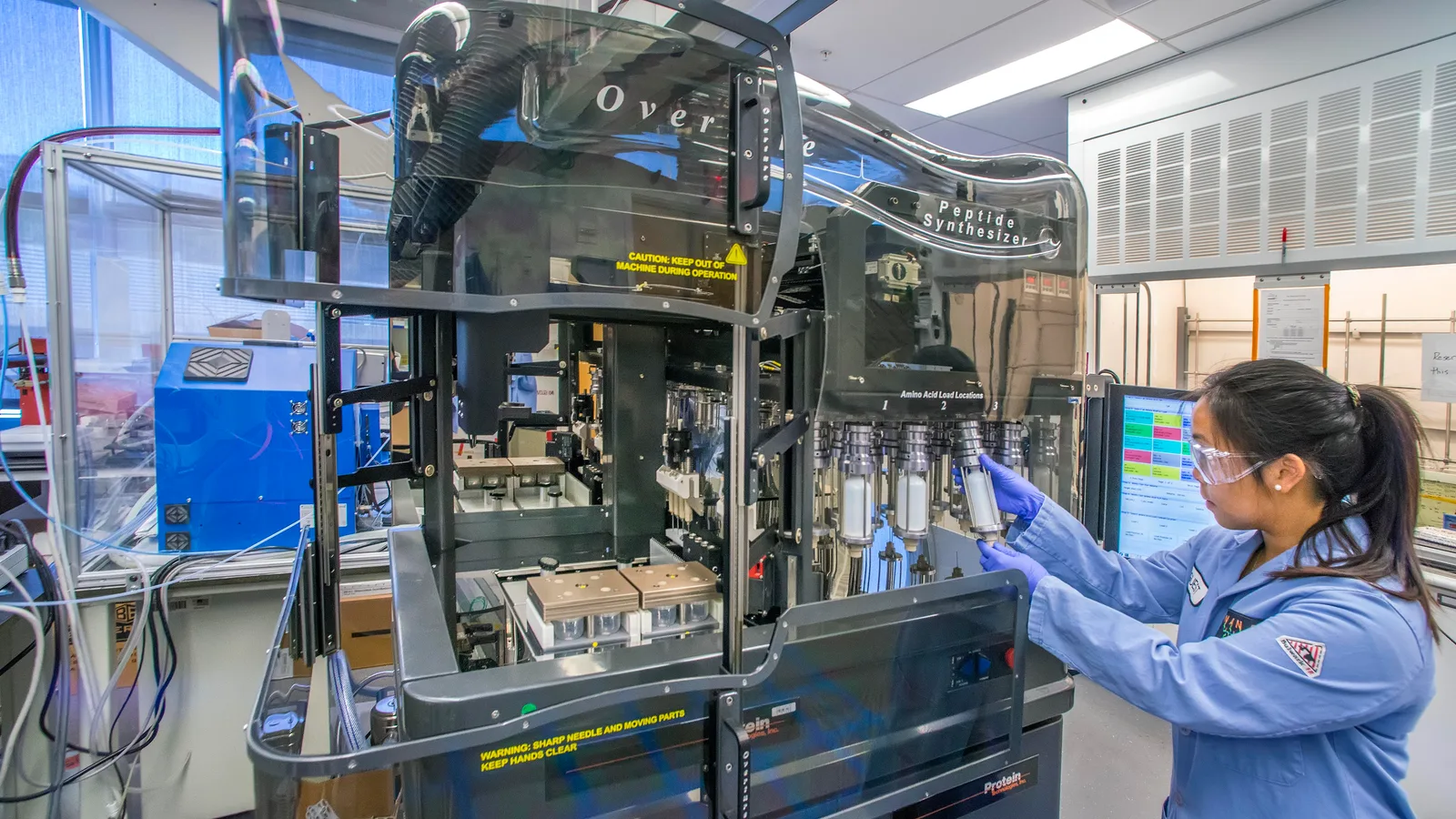
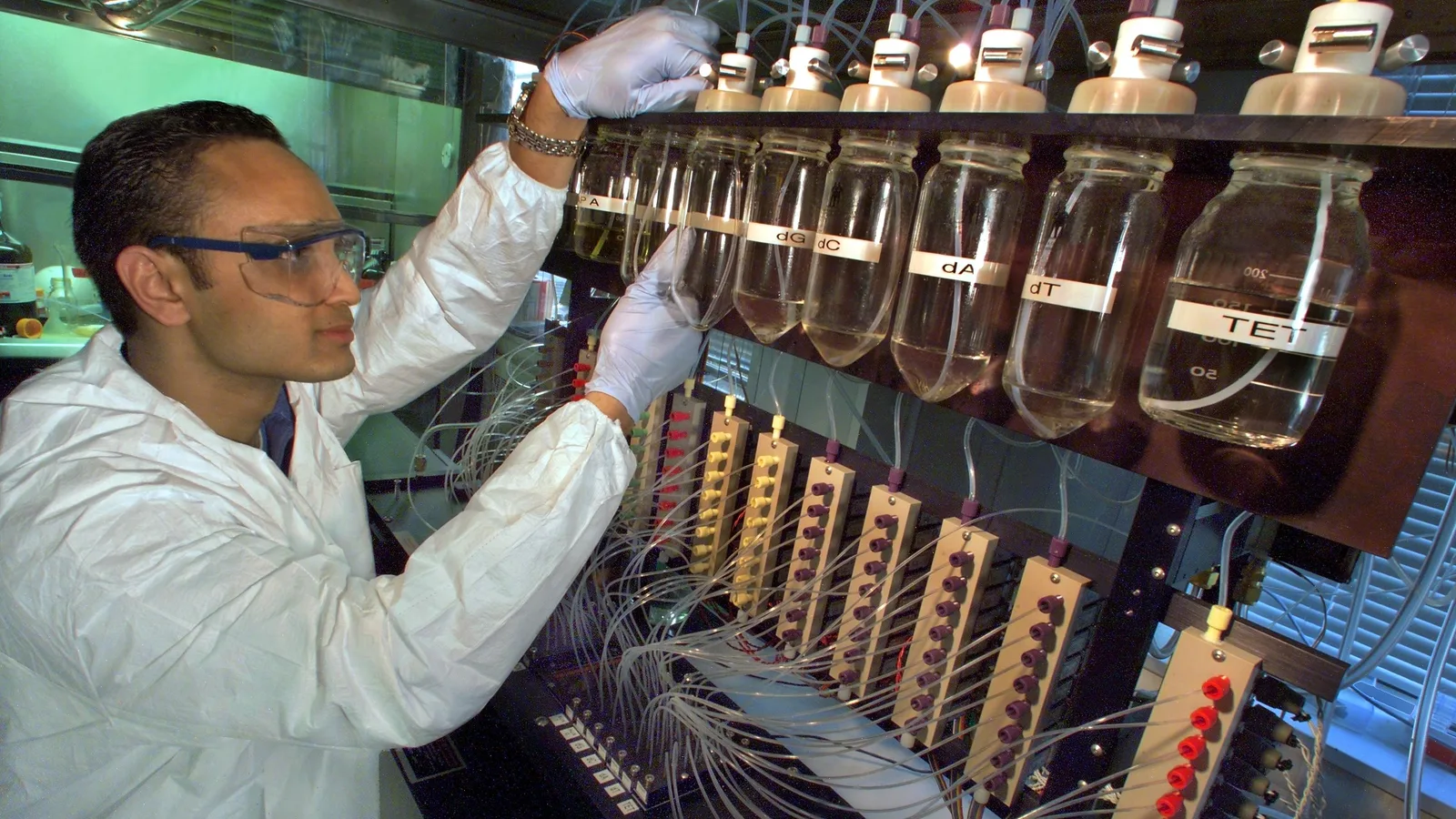
2026 has been a concentrated year for peptide therapeutics. Efficacy reached a new high in late-stage trials, the obesity field moved beyond the incretins to amylin, the oral route reached weight management, and peptide-guided radioligand therapy kept advancing — each point tied to a specific 2025–2026 result.

"Electronic resin" is not one material. It is a family of electronic-grade polymers — epoxy molding compounds, laminate resins, build-up films, and photoresists — defined less by what they are made of than by the electrical, thermal, and dimensional numbers they must hit.

CPHI & PMEC China — 3,600+ exhibitors, 110,000+ visitors — opens 16 June at Shanghai's SNIEC. A practical playbook for buyers: go in with a shortlist, qualify suppliers on the floor, and fix the follow-up before you fly home.

ECHA added n-Hexane and BPAF to the REACH Candidate List in February 2026, and the EU's PFAS firefighting-foam restriction hits its first hard deadline in October. Here's what to screen, what to ask suppliers, and which dates to put on your sourcing calendar.

Container spot rates rose sharply in early June 2026 as front-loading, Red Sea diversions, low idle capacity and carrier surcharges compressed available space.

SINOSURE is China's policy-oriented export credit insurer, linking export contracts, buyer credit, country risk, claims and trade finance.

Commission Regulation (EU) 2026/859 adds 2,4-DNT to REACH Annex XVII. The change is narrow but precise: it turns a hazardous substance classification into article-level limits, dates, thresholds and exemptions.

The INTI-ECOPLAS protocol does not treat recycled content as a broad label. It turns the claim into a chain of evidence: minimum percentage, material origin, polymer type, lots, mass records and production documentation.

Japan's chemical decarbonization pathway is not a single hydrogen story. It combines naphtha-cracker fuel switching, low-carbon hydrogen and ammonia policy, CCUS, plastic-to-oil recycling, bio-based inputs and alcohol-to-chemicals technologies.

German chemical companies are strengthening local production, application development and supply-chain response in China. BASF, Evonik, Covestro and WACKER show how the pattern is changing.

Japan’s ethylene consolidation, petrochemical spin-offs and polyolefin integration point to a new supply structure for basic chemicals.